



How to declutter when you’re downsizing
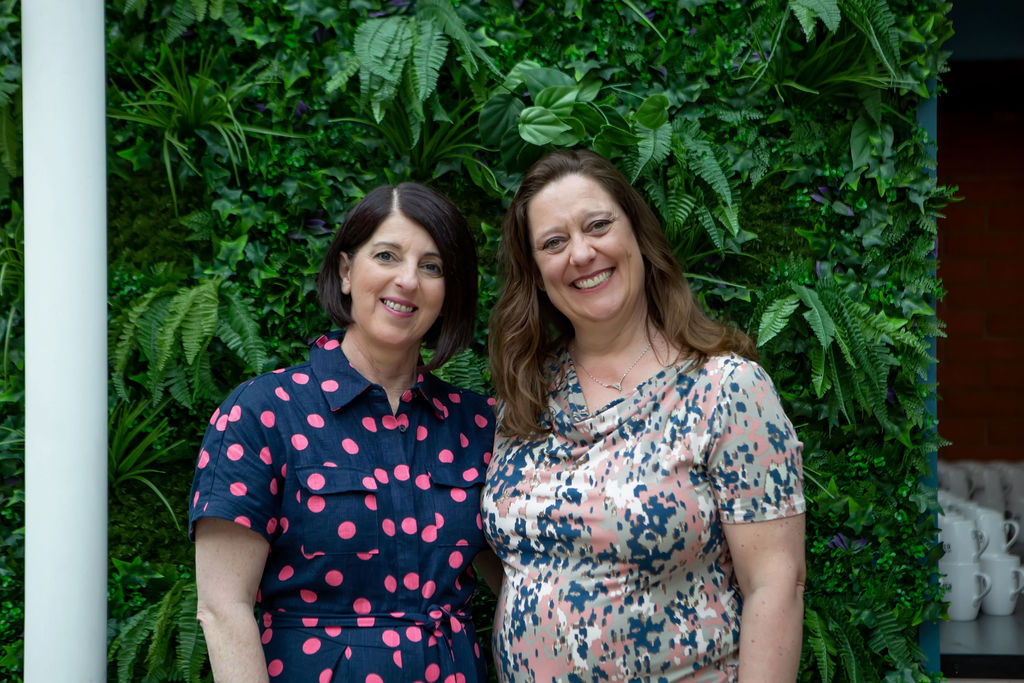
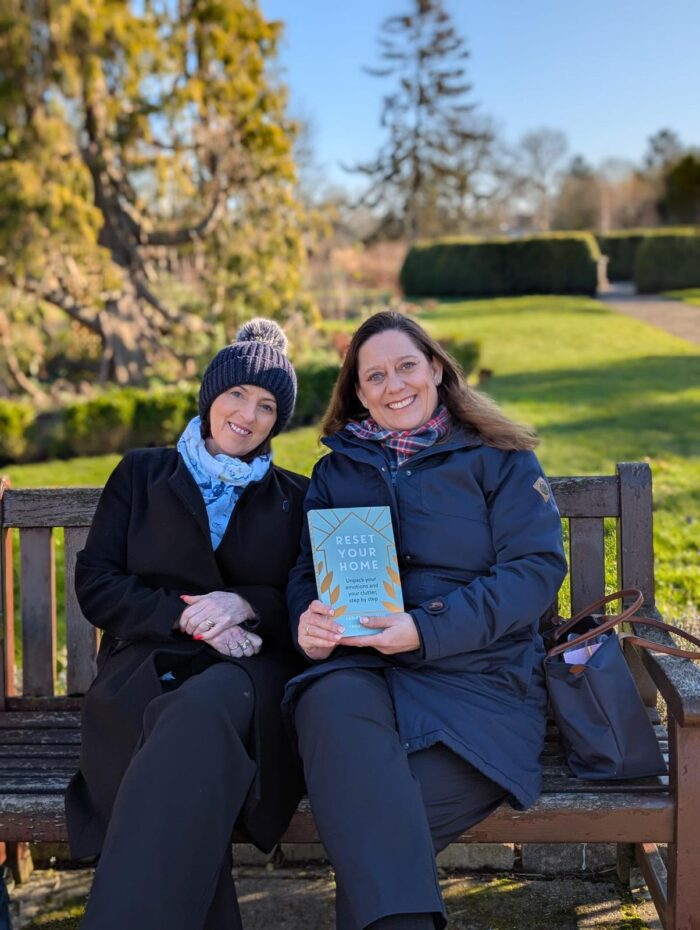
Ingrid Jansen and Lesley Spellman are the UK’s leading authority on decluttering and organising your home as The Declutter Hub, which boasts a top one percent podcast. They’re also the authors behind the bestselling Bloomsbury book Reset Your Home, Unpack Your Emotions And Your Clutter, Step By Step.
September often brings change – especially if your children have just left for university.
With a quieter house and more space than you need, it’s natural to think about downsizing or simply decluttering.
This isn’t your average clear-out.
Letting go of things tied to parenting, routines or long-held roles can be emotional.
But it’s also a chance to take stock, lighten the load and shape your home to suit you now.
You may no longer need wardrobes full of ‘just in case’ clothes, unused crockery or loft boxes marked ‘baby toys’.
That space could be better used – for hobbies, a guest room or simply less clutter.
In this column, we’ll walk through realistic ways to declutter with confidence when downsizing – whether it’s due to children flying the nest or a major life change – and make space for what’s next…
Embracing the empty nest
We raise our children to be independent, but when they finally leave home, many of us struggle with the dreaded empty nest.
It’s emotional – for them and for us – but it’s also when we realise just how much stuff they’ve left behind.
Get the timing right
While you might be tempted to dive straight into their room with a bin bag, try not to rush it.
These belongings defined your child’s life for years.
They need to be involved in deciding what to keep or let go.
Pick the right moment, involve them in decisions, and take it slowly.
Expect it to be emotional
There may be guilt about unused items, sentimentality or worry about waste.
For emotional items, curate the highlights. Don’t throw everything away – but do be practical.
Be realistic
Think about how often your child will be home.
If it’s only occasionally, you can store the essentials in the loft and repurpose the room – perhaps a craft space, home office or gym.
If they’ll be regular visitors, you may need to create multi-purpose storage solutions.
By planning carefully, involving your children and focusing on the future, you’ll create new spaces, new routines, and new memories. You’ll never look back.
Sorting out sentimental
Many people save sentimental decluttering for retirement, but whatever your timeline, sorting through emotional items is a hugely rewarding project.
Save the best till last
Don’t start with sentimental items.
Build your decluttering confidence in easier areas first – tackling photos and keepsakes too soon can be overwhelming.
Whose memories are they?
Often, we keep things out of respect for someone else’s memory.
But if those items don’t hold meaning for you – it’s okay to let them go.
Quality over quantity
Fewer, more meaningful items are far easier to value than hundreds of things.
A small selection of special cards, for example, is more powerful than an entire boxful.
Not all sentimental items are equal
Only keep things that give you a warm, positive feeling.
If your response is neutral or negative, let it go.
Make memories visible
Bring sentimental items into your home. Box frames with children’s artwork, ticket stubs or small mementos can be turned into meaningful gallery walls.
Pass on the stories
Helping older generations work through their keepsakes gives you a deeper understanding of what’s worth keeping.
If your mum wants something passed down, ask why.
The story behind an item makes it special – otherwise, it’s just more stuff.
Capture the details
When going through old photos, write names, dates and context on the back so the history isn’t lost.
This small step can preserve your family story for future generations.
Don’t let guilt drive decisions
If you’re keeping something only out of guilt, ask yourself what makes it meaningful.
Understanding why it matters helps you honour it properly – or let it go.
Forward plan
Avoid difficult decisions later by planning now.
Talk about your wishes, label who should get what, and share the stories behind heirlooms.
Don’t be afraid to create a legacy – it’s a gift to your family.
Decluttering while grieving
When you’ve lost a partner, parent or close friend, even simple decisions can feel impossible.
Sorting their belongings is incredibly hard, but with care and timing, it can be done gently.
There’s no ‘right time’
You might feel pressure from others to act quickly, but grief is personal. Don’t rush.
Some people are ready in weeks; others need months or even years.
Go at your own pace.
When deadlines loom
Sometimes, time isn’t a luxury. If a home needs to be sold or cleared quickly, be selective.
Keep a few things and store them until you’re emotionally ready to deal with them.
But make a plan – boxes left untouched for years can weigh heavily, even when out of sight.
Try and be fair when family are involved
When others are involved, emotions can run high. Everyone has different memories and opinions.
Try to stay calm, be fair, and remember: it’s the relationship that mattered, not the belongings.
Choose meaning over volume
You don’t need every tie your husband wore or the full dinner set your mum loved.
One or two carefully chosen items can hold all the memory and none of the clutter.
As life changes, so do our homes.
Decluttering during life’s transitions is emotional, but it also opens the door to something new.
Whether you’re creating space for a fresh start, preserving family history or simply seeking calm – every item you sort brings you closer to a home that feels right for you now. You’ve got this!
Ingrid Jansen and Lesley Spellman’s new book Bloomsbury book Reset Your Home, Unpack Your Emotions And Your Clutter, Step By Step is out now. To order, visit: www.bloomsbury.com/uk/reset-your-home-9781399416399.
READ MORE: