



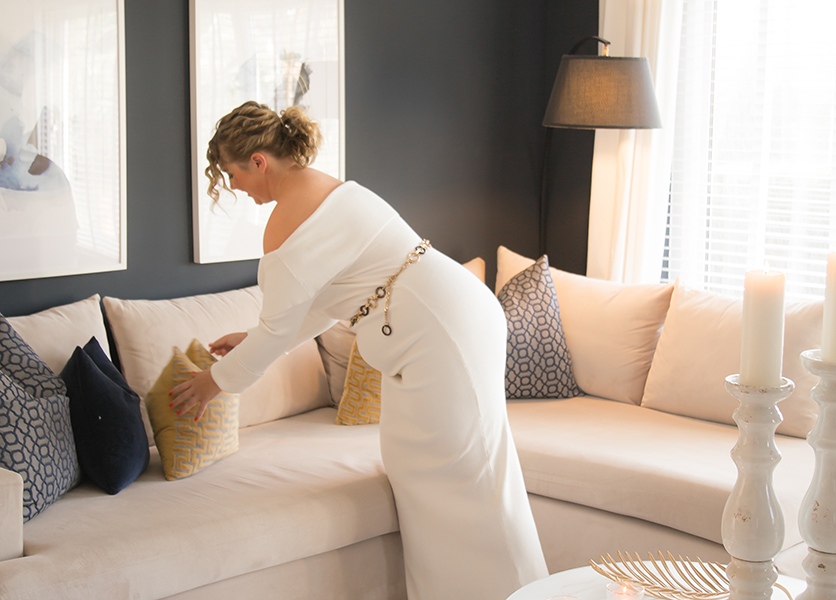
10 big mistakes that can put off a potential house buyer
When you’re selling a home, too often, sellers focus on what they love about their property rather than what a buyer wants to see.
You may be attached to your decor choices, your layout and the abundance of family photos that have been on display for years.
But here’s the truth: buyers don’t care about your life – they want to see their future.
As a property staging expert working in hundreds of homes each year, I know from experience that it really is the small touches that can make a huge impact.
From embracing your dated decor to showing potential buyers rooms that feel lifeless or overfilled, there are mistakes that could cost you thousands on your asking price or leave your home sitting unsold for months.
And these are issues you can easily fix prior to your home going on RightMove.
So if you’re getting ready to sell, take a step back and look at your home with fresh eyes.
These ten common mistakes might be putting buyers off – but the good news is, they’re all completely avoidable.
Making it personal
Of course, your home tells your story – your children may have grown up there, taken their first steps, enjoyed birthday parties and milestones, but buyers need to imagine their own lives in that space.
It’s tricky, but remove those family portraits, the children’s drawings still hanging on the fridge, and anything with names or initials.
Replace them with neutral artwork or oversized mirrors to reflect light and create the illusion of extra space. Sentimental items can be stored away for your new home.
A buyer shouldn’t feel like they’re visiting someone else’s life.
They need to picture themselves living there.
Overpowering smells
We all want our homes to smell pleasant for viewings – but going overboard with artificial fragrances or air fresheners can have the opposite effect.
Overpowering scents (even if it’s a smell you really like) can overwhelm buyers or, in a worst-case scenario, even trigger allergies, making them want to leave rather than ‘have another look upstairs’.
Overpowering smells can make buyers assume you’re masking damp, pet odours or something more serious.
Instead, aim for neutral freshness: open windows for ventilation, use subtle reed diffusers, or simmer a natural scent (like lemon and rosemary) gently before viewings.
Using outdated decor
You might love the tiles that were put up when 90s interior styles were in, but to most buyers, it screams ‘work to be done’ – which, of course, is another expense they will need to bear in mind.
If you want a quicker sale and a higher price, show that your home is aspirational, and that includes the decor.
Update the key elements with modern but neutral choices.
A fresh coat of off-white paint, new handles and vinyl flooring can instantly modernise a tired room without major spend.
Neglecting curb appeal
As soon as a buyer sets eyes on your home in real life, they are judging it – even before they’ve stepped through the front door.
If your front garden is overgrown, your door is faded, or your windows look grubby, you’re already on the back foot.
They’re thinking how much extra it’s going to cost them to move in.
A freshly painted front door, trimmed hedges, clean paths, and a stylish doormat can make a huge difference.
It shows the house has been cared for and well looked after – and there won’t be any nasty surprises for them if they did buy it.
If you’re selling in autumn or winter, keep the path clear of leaves and add some warmth with lanterns or potted evergreens.
Failing to highlight storage
Storage is one of the most sought-after features in any home – yet many sellers forget to show it off. If your wardrobes are bursting at the seams, your airing cupboard crammed, or the garage stacked floor to ceiling with boxes, you’re missing a key selling point.
Buyers want to feel there’s room to grow.
So, with that in mind, declutter your cupboards, half-empty wardrobes and neatly arrange utility spaces to show their full potential.
Consider using organisers or baskets to make them look intentional and spacious.
Let buyers see how much they can fit in – not how much you couldn’t.
Making your rooms ‘too much’
Getting the balance of furniture right in a room can be difficult.
Big furniture can work, but too much of it makes a room feel cramped – and smaller.
If your living room has become a maze of chairs, tables and storage units, consider removing a few items prior to those estate agent photos and viewings, and simplify the layout.
Make sure buyers can walk through each room easily and clearly see the proportions of the space.
Forgetting about lighting
It’s something you may not immediately think about, but light really does sell homes.
If your living room or bedrooms feel dark, it’s usually heavy curtains, small lamps and poor layout to blame.
Walk into each room with a fresh pair of eyes.
Open the curtains wide, turn on the lights on darker days (use warm lighting rather than blinding bulbs).
And think layers – ceiling fixtures, side lamps and even uplights in darker corners.
Use large mirrors to bounce natural light around the room, especially in hallways or living areas that face north.
Avoid using the ‘big light’ on its own as it often creates a harsh feel.
Sending mixed messages
It’s tempting to remove clutter from various rooms and use a smaller bedroom, for example, as a dumping ground.
Or perhaps you have empty rooms that aren’t used.
This simply confuses buyers.
That spare room with a broken desk and laundry pile?
Stage it as a guest bedroom or home office.
And in the box room that’s overrun with boxes, style it into a reading nook or nursery.
Every space should show how it can be used.
Using inconsistent styles
When potential buyers walk around your home, it should feel cohesive, as though it all ‘flows’.
If your kitchen is sleek and modern but your living room is heavy and traditional, while each of the bedrooms has a different theme, buyers will struggle to connect emotionally.
Choose a consistent palette and style throughout.
You don’t have to redecorate every room – incorporating soft furnishings such as cushions, rugs and throws can help tie spaces together.
Avoiding wear and tear
While you no longer notice that area of peeling paint, the parts of the carpets that are worn down and the scuffed skirting boards – your potential buyers will.
These telltale details signal whether a home has been looked after.
You don’t need to renovate from top to bottom, but touch up walls, clean flooring, and fix any minor repairs. Do the jobs you never get around to doing for yourself.
These low-cost improvements show pride in the property and reassure buyers they’re not walking into a project.
Selling your home isn’t just about putting it on Rightmove and hoping for the best.
It’s about presenting a lifestyle people want to buy into.
That doesn’t mean spending a fortune, but it does mean being strategic and stepping out of your own shoes.
Buyers don’t see what you see.
They’re looking for space, light, functionality and potential.
By avoiding these ten mistakes and styling your home thoughtfully, you can increase viewings, shorten your time on the market and maximise your sale price.
And that’s the power of great staging…
Interiors expert Liv Conlon, 26, runs two seven-figure businesses: multi-award-winning ThePropertyStagers, that stages more than 300 properties a year; and StagerBoss – a coaching business teaching women how they can do the same.